Why Mature Trees Matter
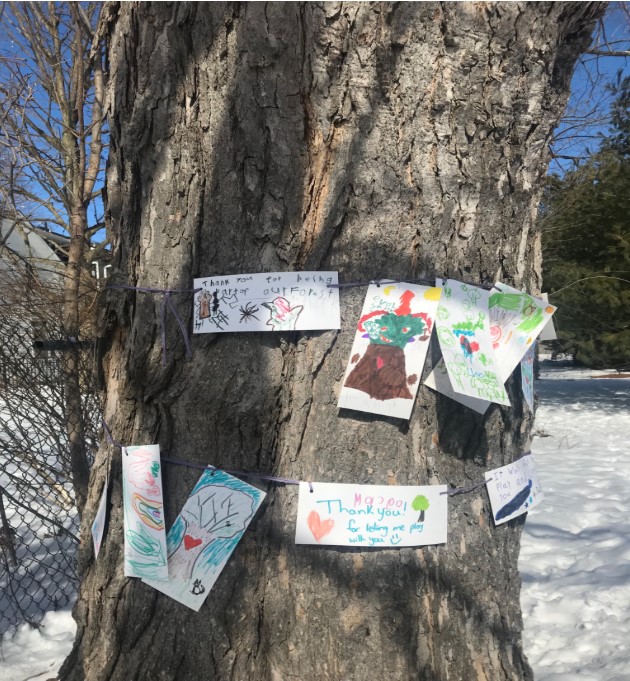
Mature trees are among the most valuable and underprotected assets in our urban landscapes. Unlike newly planted trees, they provide immediate, irreplaceable benefits for climate resilience, biodiversity, and human well-being—benefits that cannot be quickly or cheaply replaced once lost.
Mature trees are living infrastructure, built over decades, that communities cannot afford to lose. Protecting them is one of the fastest, most equitable, and most cost-effective strategies available to address climate change, biodiversity loss, and community well-being—right now.
Climate Impact
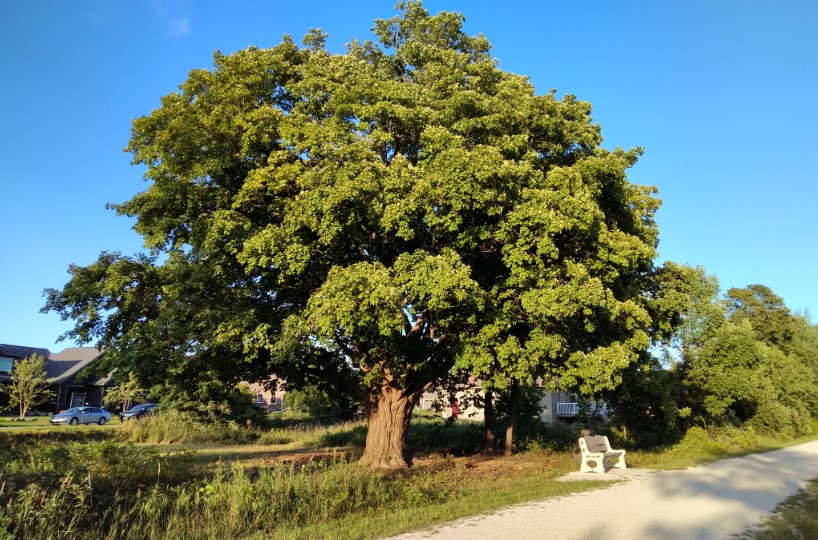
Mature trees store significantly more carbon than young trees and continue to sequester carbon year after year. Their large canopies reduce urban heat, lowering temperatures during heat waves and decreasing energy demand for cooling. Deep, established root systems manage stormwater more effectively than engineered solutions, reducing flooding and erosion while improving water quality. In a changing climate, mature trees are proven, cost-effective infrastructure.
Biodiversity Value
Established trees support complex ecosystems. Their size, age, and structural diversity provide nesting sites, food sources, and shelter for birds, insects, mammals, fungi, and microorganisms. Many species depend specifically on mature or declining trees—habitats that cannot be recreated through replacement planting. The loss of mature trees directly contributes to declining urban biodiversity and ecosystem fragmentation.
Equity and Community Well-Being
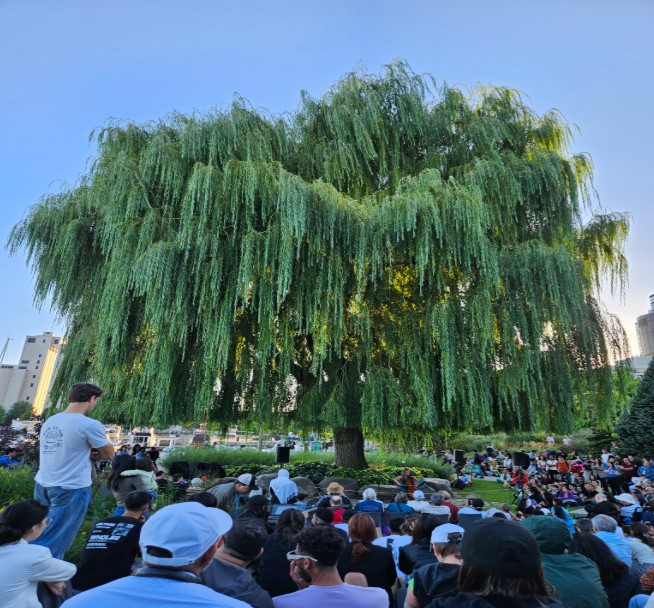
Mature trees are closely linked to public health and quality of life. They improve air quality, reduce noise, support mental health, and create cooler, more walkable neighborhoods. Tree loss disproportionately affects communities with fewer resources, widening existing inequities in health and climate exposure. Protecting mature trees is therefore both an environmental and social equity issue.
Economic Sense
From a financial perspective, protecting existing trees delivers far greater return on investment than removal and replacement. The ecosystem services provided by mature trees—cooling, stormwater management, air filtration, and property value stabilization—far exceed the cost of preservation and care. Once removed, these benefits can take decades to recover, if at all.
A Closing Window-Works Together
Protecting mature trees is the most immediate and effective action available to maintain climate resilience and biodiversity in the near term. However, equally important is the parallel implementation of robust tree planting programs to ensure renewal and long-term survival of our urban forest and natural canopies.